
Portfolio Drift Rebalancing: Strategic Imperatives for C-suite and HNWIs

For C-suite executives and high-net-worth investors, portfolio drift is not theoretical. It is a structural issue that requires action. Rebalancing is straightforward in theory, but difficult to execute in concentrated portfolios. Selling to rebalance can trigger tax, move the market, or signal intent at the wrong time.
This is where securities-based lending is used to execute rebalancing without selling core positions.
The Inevitability of Portfolio Drift and the Rebalancing Dilemma
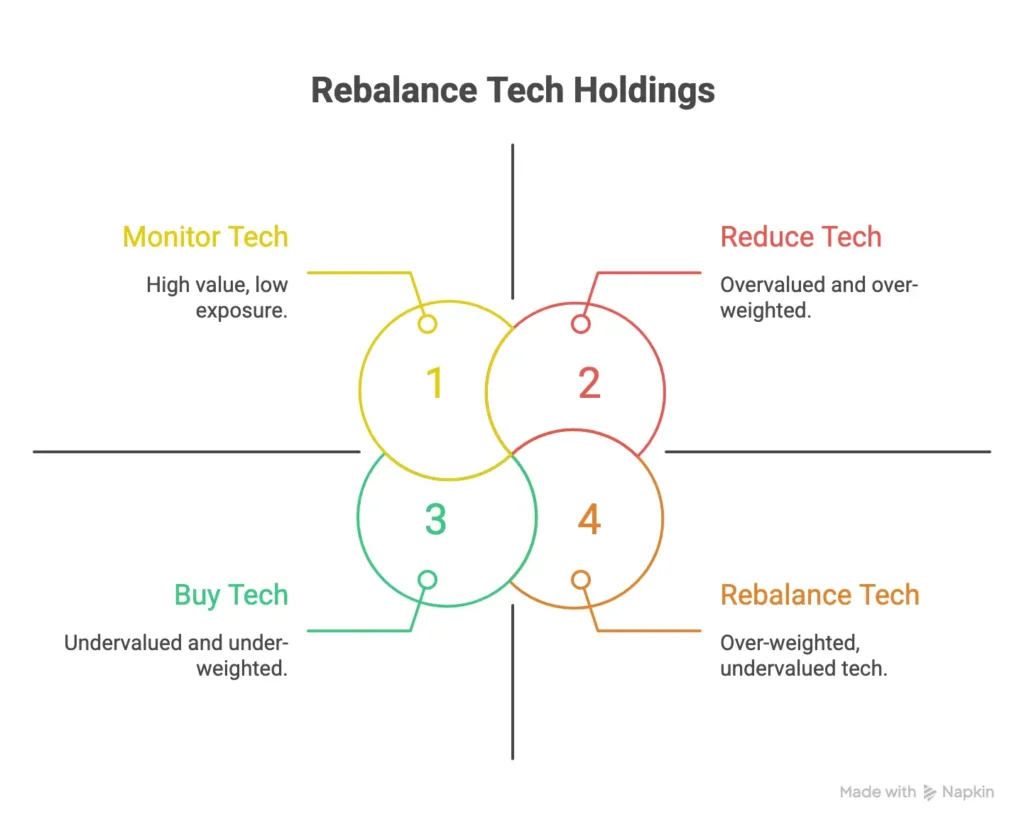
Portfolio drift is an almost inevitable consequence of market dynamics. Over time, outperforming assets can grow to dominate a portfolio, skewing its risk profile and deviating from original strategic allocations. This concentration, while often a sign of success, necessitates portfolio drift rebalancing. However, for significant stakeholders, the traditional method of selling positions is fraught with complications.
For a broader framework on allocation decisions, see portfolio rebalancing.
- Tax Implications: Disposing of appreciated assets can trigger substantial capital gains taxes, eroding deployable capital and diminishing net returns.
- Market Impact: Large block sales can move the market against the seller, particularly in less liquid assets, leading to suboptimal execution prices.
- Strategic Signalling: Unplanned or forced sales can be misinterpreted by the market, potentially impacting corporate perception or investment sentiment.
- Locking in Losses: Selling into a market downturn to rebalance can crystallise losses, undermining long-term wealth creation goals.
These constraints transform portfolio drift rebalancing from a purely strategic decision into a complex tactical puzzle, often forcing investors to maintain suboptimal allocations or incur significant costs.
Why Traditional Lending Solutions Fall Short for Strategic Rebalancing
When faced with the need for liquidity without selling, some might consider traditional margin lending. However, for the scale and complexity of C-suite and HNW portfolios, these solutions often introduce more risk than they mitigate:
- Mark-to-Market Exposure and Margin Calls: Traditional margin loans are highly sensitive to market fluctuations. A downturn can trigger margin calls, forcing asset sales at precisely the wrong time and exacerbating losses.
- Recourse Against the Borrower: Many traditional facilities are recourse, meaning the borrower’s other assets can be pursued if the collateral depreciates significantly, adding a layer of personal financial risk.
- Variable Pricing and Uncertainty: Fluctuating interest rates and unpredictable terms can make it difficult to forecast the true cost of borrowing, undermining financial planning.
- Restrictions on Concentrated Positions: Lenders are often wary of highly concentrated positions, limiting the usability of traditional margin loans for the very portfolios that need portfolio drift rebalancing the most.
These limitations highlight the need for more bespoke, robust solutions that align with the sophisticated requirements of high-level financial management.
Securities-Based Lending: A Strategic Tool for Portfolio Drift Rebalancing
Securities-based lending provides liquidity against listed securities while ownership is retained. It separates liquidity from disposal.
Instead of selling, capital is raised against the position and redeployed elsewhere.. This allows investors to:
- Execute Portfolio Drift Rebalancing Without Disposal: Maintain exposure to core holdings without triggering tax events.
- Diversify and Reallocate Capital: into other asset classes or opportunities..
- Maintain Control and Influence: For corporate insiders or significant shareholders, retaining shares can be vital for maintaining voting rights, board influence, or strategic control.
- Enhance Liquidity Management: Provide flexible access to capital for various needs, from strategic investments to philanthropic endeavours, without disrupting long-term investment strategies.
For a broader perspective on strategic allocation decisions, understanding the nuances of general portfolio rebalancing is also crucial.
For a structured overview of how these facilities are assessed and executed, see the securities-based lending playbook.
The Lender’s Lens: Assessing Viability for Securities-Based Lending
While the concept is powerful, the successful application of SBL for portfolio drift rebalancing hinges on a deep understanding of how lenders assess collateral. Approval is primarily driven by the quality and characteristics of the underlying securities, rather than the borrower’s personal balance sheet:
- Trading Liquidity: Lenders meticulously analyse the average daily trading volume of the collateral. This determines the ease and speed with which positions could be exited under stress, directly impacting the loan-to-value (LTV) ratio.
- Concentration Risk: Portfolios with significant single-name exposure inherently carry higher risk from a lender’s perspective. This typically results in more conservative LTVs and stricter structural controls.
- Volatility Profile: Higher historical and implied volatility of the underlying securities leads to lower advance rates and tighter risk management parameters, as price swings increase the lender’s exposure.
- Collateral Eligibility: Securities must meet specific criteria regarding exchange listing, free float, and regulatory compliance to be considered eligible collateral.
Understanding these factors is paramount for structuring an SBL facility that effectively supports portfolio drift rebalancing objectives.
Structuring for Success: Key Considerations for SBL Facilities
The structure of an SBL facility is not merely administrative; it is integral to its effectiveness as a portfolio drift rebalancing tool. Key structural elements include:
- Loan-to-Value (LTV): Typically ranging from 40% to 60%, the LTV is determined by the liquidity, concentration, and volatility of the collateral. A well-structured LTV provides a buffer against market fluctuations.
- Structured Terms vs. Callable Lines: Unlike traditional margin lines that can be called at any time, SBL facilities often feature structured terms, providing greater stability and predictability, crucial for long-term strategic planning.
- Non-Recourse Provisions: Many SBL facilities can be structured as non-recourse, limiting the borrower’s downside risk to the pledged collateral only, protecting other personal or corporate assets.
- Jurisdictional Nuances: Regional regulations (e.g., UK, Europe, Asia) can significantly impact collateral eligibility, legal frameworks, and tax implications, necessitating expert guidance in structuring.
A poorly structured facility can transform a liquidity solution into an unforeseen risk event, undermining the very purpose of portfolio drift rebalancing.
Optimal Scenarios for Employing Securities-Based Lending
Securities-based lending is not a universal solution but excels in specific strategic contexts for portfolio drift rebalancing:
- Large, Liquid Positions: Ideal for significant holdings in publicly traded equities or highly liquid fixed-income instruments where traditional sales would cause market disruption.
- Shareholders Unwilling or Unable to Sell: Perfect for founders, executives, or long-term investors who wish to maintain ownership for strategic, sentimental, or tax-related reasons.
- Time-Sensitive Reallocation: When market opportunities demand rapid deployment of capital, but selling existing assets would be too slow or detrimental.
- Gradual Portfolio Reallocation: Facilitates a phased approach to portfolio drift rebalancing, allowing for measured adjustments over time without a single, large market event.
When Securities-Based Lending May Not Be the Right Fit
While powerful, SBL is not without its limitations. It’s crucial to understand when this approach may not align with portfolio drift rebalancing objectives:
- Cost of Borrowing Exceeds Expected Returns: If the interest expense on the loan outweighs the anticipated returns from the reallocated capital, the strategy becomes uneconomical.
- Illiquid or Highly Volatile Collateral: Securities that are illiquid or subject to extreme price swings may not be eligible for SBL, or the LTV offered may be too low to be practical.
- Lack of Clear Use of Proceeds: SBL is a tool for strategic deployment, not leverage for its own sake. A clear, well-defined investment or liquidity plan is essential.
- Mismatched Time Horizons: A significant mismatch between the loan’s term and the investment horizon of the reallocated capital can create undue pressure or risk.
Case Study: Strategic Rebalancing for a UK Investor
Consider a UK-based investor holding a concentrated £8 million position in a single listed equity. The need for portfolio drift rebalancing was clear, but selling even a portion would have triggered substantial capital gains tax and potentially impacted the stock’s price due to the size of the holding.
Instead of selling, a £4 million non-recourse securities-based lending facility was structured against the concentrated position. The proceeds were then strategically deployed into a diversified portfolio of global equities and alternative assets. This allowed the investor to:
- Reduce overall portfolio concentration risk.
- Achieve desired portfolio drift rebalancing without incurring immediate tax liabilities.
- Maintain full exposure to the original core holding, preserving potential future upside.
- Enhance the long-term resilience and diversification of their wealth.
This real-world example underscores the transformative potential of SBL as an execution tool for sophisticated portfolio drift rebalancing.
Conclusion
Portfolio drift needs to be managed, not ignored. When selling is not viable, stock loans provide an alternative. It allows exposure to be adjusted without disposing of core positions.
The value lies in flexibility, not the loan itself. Used correctly, it allows rebalancing to be executed without forcing the wrong decision
Discreet Discussion on Portfolio Structuring
If you are managing a concentrated position and portfolio drift is becoming a constraint, there are ways to adjust exposure without forcing disposal.
Securities-based lending is typically used in situations where timing, control, and liquidity all matter, but traditional options fall short.
If that is relevant, you can discuss your situation here