
Portfolio Rebalancing – How to Protect Your Investments in a Shifting Market

Portfolio concentration often builds quietly during long market rallies. When a single sector or asset class begins to dominate portfolio exposure, investoMarket volatility, particularly in the tech sector, highlights the need for proactive portfolio rebalancing.rs face a difficult choice: sell assets and potentially trigger taxes, or tolerate rising concentration risk. Portfolio rebalancing is the discipline of restoring balance before those risks materialise. For large shareholders and high-net-worth investors, this process often intersects with liquidity planning, particularly when securities-based lending can provide capital to rebalance without selling core holdings.
Key Takeaways:
- Market volatility, particularly in the tech sector, highlights the need for proactive portfolio rebalancing.
- Economic shifts, interest rate policies, and inflation play a crucial role in asset allocation.
- Diversification, defensive positioning, and active monitoring are essential strategies to safeguard investments.
- A balanced approach, blending caution with long-term adaptability, is key to navigating market uncertainty.
What is Portfolio Rebalancing
Portfolio rebalancing an investment portfolio is the process of adjusting your investment mix to maintain your desired asset allocation. Over time, certain assets outperform others, leading to an imbalanced portfolio.
A detailed explanation of the mechanics can be found in this portfolio rebalancing definition.
How Lenders View Portfolio Rebalancing
From a lending perspective, portfolio rebalancing often becomes relevant when investors seek liquidity without liquidating core positions. Lenders evaluating securities-based facilities typically focus on three structural factors.
Liquidity of collateral
Highly liquid equities with strong daily trading volumes typically receive the most favourable loan-to-value ratios, as lenders must be confident positions can be exited efficiently if risk limits are breached.
Concentration exposure
Concentration risk can influence facility structure. A single highly liquid stock may still support strong lending terms, but lenders will assess position size relative to market liquidity and potential impact during enforcement. Portfolio rebalancing can therefore become relevant when a single holding grows disproportionately large within an investor’s overall exposure.
Volatility buffers
Lenders apply internal stress tests to ensure collateral can withstand market drawdowns without triggering margin events. Higher volatility or correlated exposures may require lower advance rates or larger margin buffers.
Understanding how lenders evaluate collateral helps investors structure liquidity solutions that support portfolio rebalancing while preserving long-term market exposure.
Why is Portfolio Rebalancing Important
- Manages Risk: Prevents overexposure to any one sector, reducing the impact of a downturn.
- Enhances Returns: Capitalises on market cycles by selling high and purchasing undervalued assets.
- Aligns With Goals: Ensures your portfolio continues to reflect your long-term investment objectives
Market Vulnerability – Why Portfolio Rebalancing is Crucial
Divergence Between Markets and Fundamentals
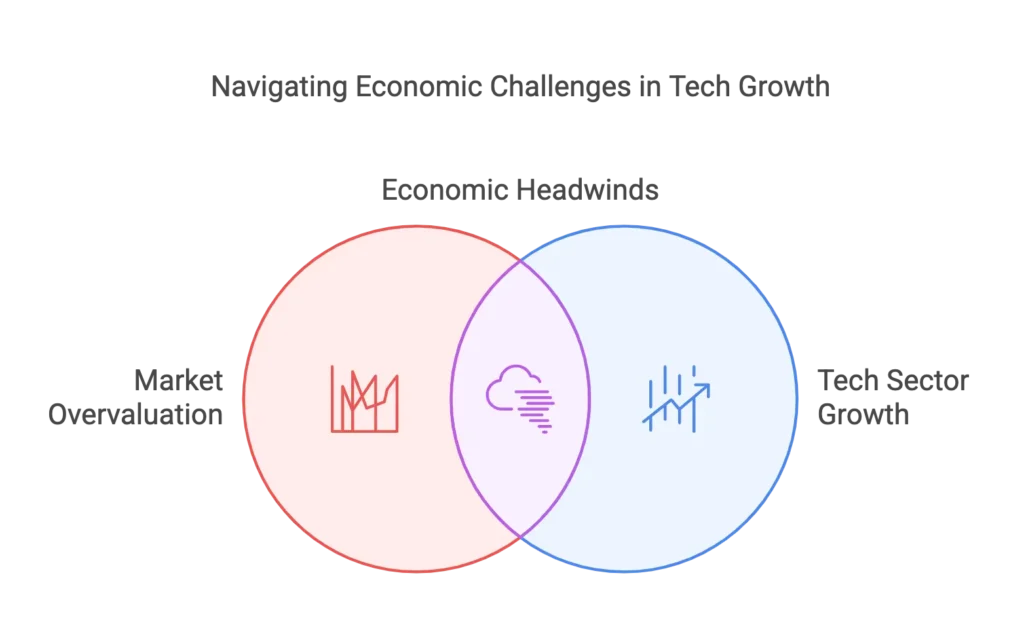
Despite economic headwinds, such as weak consumer spending, slowing job growth, and declining business investment, major indices remain near all-time highs. This disconnect is reminiscent of patterns observed before past crises like the dot-com bubble and the 2008 financial collapse.
Market volatility is often measured through indicators such as the VIX volatility index, which tracks expected market turbulence.
Tech’s Overvaluation: A Ticking Time Bomb
The tech sector, particularly AI-driven stocks, has surged, leading to inflated valuations. For instance, the Nasdaq has soared 320% since 2013, with some shares trading at 30x-50x forward earnings. As growth slows, tech valuations may face significant corrections
Impact of Central Bank Policies and Inflation
- Sticky Inflation: Rising housing and energy costs continue to erode purchasing power.
- High Interest Rates: Increased borrowing costs may reduce corporate investments and heighten default risks.
- Globalisation Slowdown: Protectionist policies may further squeeze multinational tech companies.
Technical and Sentiment Red Flags
- Sector Divergence: Tech stocks surge while financials and industrials lag, this imbalance is unsustainable.
- Weakening Momentum: Securities falling below key moving averages indicate potential market downturns.
- Debt Risks: High post-pandemic debt levels across corporate and government sectors raise concerns.
- Global Instability: Geopolitical tensions and climate disruptions add additional risks to the supply chain.
Portfolio Rebalancing Strategies
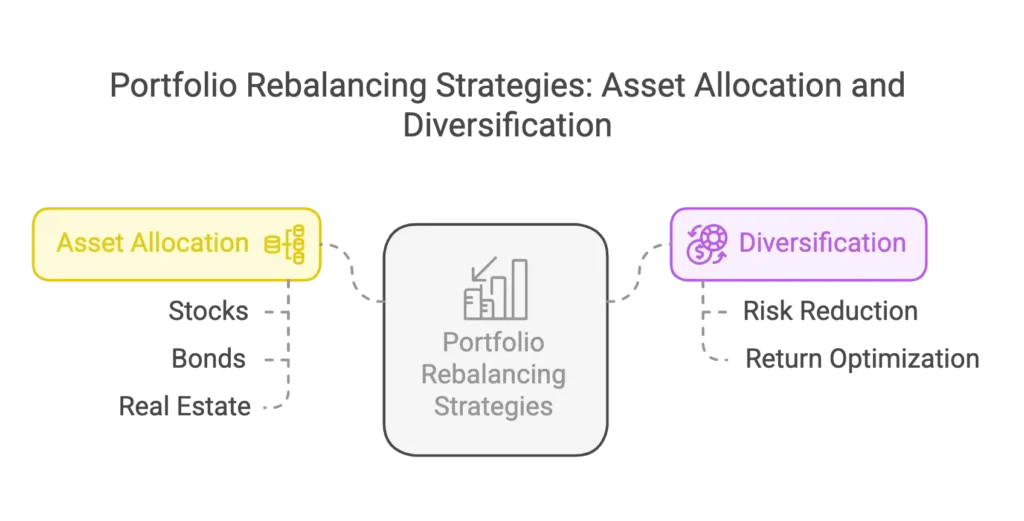
Large shareholders frequently use loans against shares when they want to rebalance portfolios without triggering capital gains events.
Bond Market Dynamics and Portfolio Rebalancing
Bonds provide stability in uncertain markets, often retaining or increasing market value when equities decline. Allocating capital to high-quality bonds can hedge against stock volatility, preserve liquidity, and enhance portfolio resilience.
What Can Investors Do:
- Increase exposure to government and investment-grade corporate bonds for stability.
- Consider short-duration bonds to reduce interest rate sensitivity.
- Use bond ETFs for diversified fixed-income exposure.
Diversification and Defensive Positioning
A diversified portfolio reduces risk by spreading investments across various asset classes, lessening the impact of downturns in specific sectors.
What Can Investors Do:
- Shift exposure from overvalued tech stocks to defensive sectors like healthcare, utilities, and consumer staples. For more on this trend, see Lessons from the 2025 Tech Stock Correction.
- Increase holdings in commodities (gold, oil) as hedges against inflation and geopolitical risks.
- Consider dividend-paying stocks that provide stable income in volatile markets.
Potential High-Risk, High-Reward Allocations
Investors should ensure that their target asset allocation aligns with their risk tolerance, financial goals, and time horizon when considering these higher-risk opportunities.
- Private Credit: Rising interest rates have made private lending an attractive high-yield alternative to bonds
- Real Estate & Infrastructure: Hard assets often hold value during inflationary periods and provide long-term appreciation. Learn more about funding options in Commercial Real Estate Financing.
- Structured Notes & Market-Linked Investments: Customisable instruments that can offer enhanced returns with downside protection.
- Commodities & Energy: Beneficiaries of inflationary cycles and supply chain constraints.
- Hedge Funds & Tactical Strategies: Designed to capitalise on market inefficiencies and market conditions.
Active Monitoring and Stress Testing
Regularly assessing your portfolio can help you identify vulnerabilities before they become problematic.
Key Indicators to Watch:
- Unemployment claims and PMI data to assess economic health.
- Credit spreads and interest rate trends to gauge potential recessions.
- Market sentiment indicators like the VIX (Volatility Index) to predict upcoming market conditions.
Strategic Sector Rotation
Shifting capital away from riskier tech stocks into alternative sectors can help optimize returns and solidify your portfolio in a shifting market. Consider reallocating into:
- Energy and Materials: These sectors benefit from inflationary trends.
- Financials: Likely to perform well in a high-interest-rate environment.
- Industrials and Infrastructure: Supported by government spending and reshoring efforts.
Portfolio Rebalancing Techniques
- Calendar-Based Rebalancing: Adjusting allocations at set intervals, such as quarterly or annually.
- Threshold-Based Rebalancing: Rebalancing your portfolio when an asset’s weight deviates by a predetermined percentage (e.g., 5-10%).
- Tax-Efficient Rebalancing: Using tax-advantaged accounts to minimise capital gains taxes.
- Rebalancing When Adding New Capital: Adjusting your portfolio when you invest additional funds.
Navigating Future Market Uncertainty
Investors monitoring market signals should also understand how liquidity risk in lending can influence asset prices during tightening credit cycles.
Exploiting Early Warning Signals (EWS)
Smart investors track early warning indicators to anticipate market shifts:
- Inverted Yield Curves: A common recession signal.
- Liquidity Crunches: Sudden reductions in market liquidity signal rising risk aversion.
- RSI (Relative Strength Index): Helps identify overbought conditions and potential corrections.
Long-Term Adaptability
Instead of reacting to short-term market fluctuations, focus on sectors poised for sustainable growth:
- Renewable Energy: Climate policies are driving investment in green energy.
- Cybersecurity and AI Infrastructure: Digital threats are on the rise, prompting growth in these sectors.
- Healthcare Innovation: Aging populations around the world are fuelling demand for new healthcare solutions.
Policy Vigilance
Stay alert to changes in government and central bank policies:
- A shift toward rate cuts may revive growth stocks.
- Government stimulus and debt relief measures can also influence sector performance.
Today’s market conditions reflect a blend of overvaluation, economic tightening, and global instability. Portfolio rebalancing isn’t just a strategy, it’s a vital tool for managing risk and seizing opportunities.
Whether adjusting your stock exposure and considering securities-based lending options for liquidity to derisk, increasing your bond allocation or managing a mutual fund, aligning your target asset allocation with a riskier tolerance and long-term investment strategy is essential.
Investors who are underweighted in certain asset classes may want to consider a rebalance to maintain their target allocation and ensure their portfolio may still meet their financial goals in 2026 and beyond.
Call to Action: Take Control While You Can
Market uncertainty can shift quickly. Position your portfolio early to protect capital and maintain flexibility. If you are considering rebalancing concentrated holdings or exploring liquidity solutions such as securities-based lending, contact us to discuss your situation and explore suitable options.
Frequently Asked Questions
What is portfolio rebalancing?
Portfolio rebalancing is the process of realigning the weightings of assets in your investment portfolio to maintain your desired risk and return profile. Over time, market movements can cause certain asset classes to become over- or underrepresented. Rebalancing ensures your portfolio remains aligned with your financial goals and risk tolerance.
How often should I rebalance my portfolio?
There’s no one-size-fits-all answer, but many investors choose to rebalance quarterly, semi-annually, or annually. Others may rebalance based on thresholds, for example, when an asset class deviates by 5-10% from its target allocation. What’s most important is having a disciplined, rules-based approach that suits your investment strategy.
Can I access liquidity without selling assets?
Yes. If you hold valuable assets such as listed securities, real estate, luxury goods, or alternative investments, you may be able to access liquidity using an asset based lending expert. This allows you to unlock capital while retaining ownership, enabling you to rebalance your portfolio, diversify, or seize new investment opportunities without triggering capital gains or losing upside exposure.